How Do You Know When Your Brake Pads Need Replacing?
Your vehicle's braking system is one of the most critical safety features on the road. Every time you slow down, stop at an intersection, or react to unexpected traffic conditions, your brake pads play a vital role in ensuring safe and controlled braking. However, like any wear-and-tear component, brake pads gradually deteriorate over time and eventually require replacement.
Many drivers don't realize their brake pads are wearing out until they notice unusual noises, reduced braking performance, or costly damage to other components. Understanding the signs brake pads need replacing can help you avoid expensive repairs, maintain road safety, and ensure your vehicle performs as intended.
From squeaking brakes and grinding brakes to noticeable brake vibration and longer stopping distances, your car often provides several warning signs before brake failure becomes a serious issue.
Professional technicians regularly inspect and service braking systems for drivers across Brisbane, helping identify problems early and prevent unnecessary damage. In this guide, we'll explain how to recognize worn brake pads, why timely replacement matters, and when to schedule a professional inspection.
Why Brake Pads Are So Important
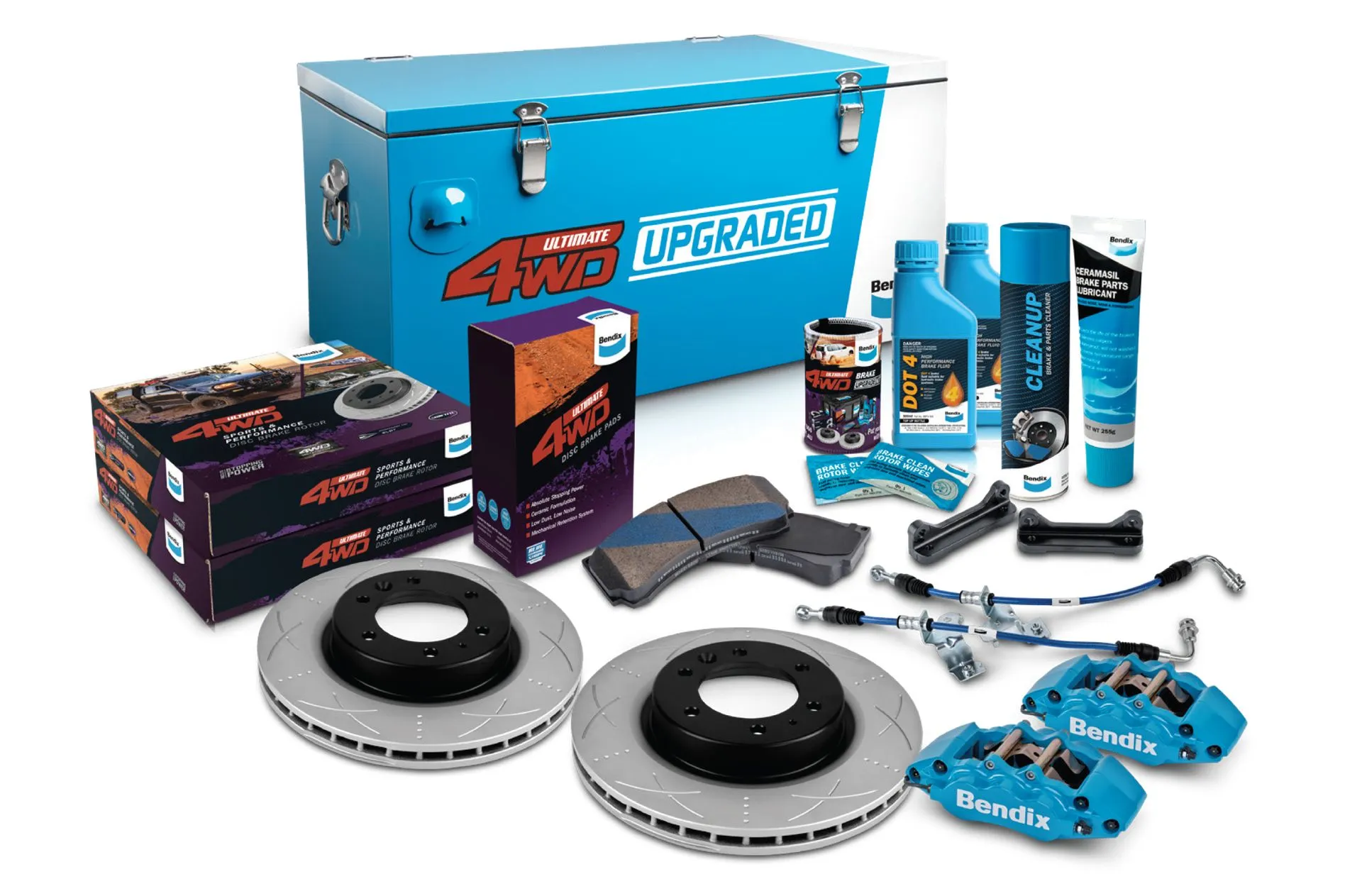
Brake pads are designed to create friction against the brake rotors whenever you press the brake pedal. This friction slows the rotation of the wheels and allows the vehicle to stop safely.
Because brake pads absorb significant heat and friction during everyday driving, they naturally wear down over time. Once the friction material becomes too thin, braking performance declines and the risk of damage to other braking components increases.
Ignoring worn brake pads can lead to:
- Reduced stopping power
- Increased stopping distances
- Brake rotor damage
- Higher repair costs
- Compromised road safety
Regular inspections and timely replacement help maintain optimal braking performance and protect other parts of the braking system.
How Long Do Brake Pads Last?
There is no universal lifespan for brake pads because wear rates vary significantly depending on driving habits and conditions.
Several factors influence brake pad longevity:
- Frequency of city driving
- Stop-and-go traffic conditions
- Vehicle weight
- Driving style
- Quality of brake pad materials
- Towing or carrying heavy loads
In general, brake pads may last anywhere between 30,000 and 70,000 kilometres, but some vehicles may require replacement sooner or later depending on usage.
Rather than relying solely on mileage, it's important to recognize the common signs brake pads need replacing.
1. Squeaking Brakes When You Apply the Pedal
One of the earliest warning signs of brake pad wear is squeaking brakes.
Modern brake pads are often equipped with built-in wear indicators. These indicators are designed to create a high-pitched squealing noise when the friction material reaches a predetermined wear level.
The sound serves as an alert that the brake pads should be inspected before further deterioration occurs.
What Causes Brake Squealing?
Brake squealing may result from:
- Worn brake pads
- Moisture on brake components
- Brake dust accumulation
- Glazed brake surfaces
- Temperature changes
While occasional noise doesn't always indicate immediate danger, persistent squeaking should never be ignored. If the noise continues regularly, it's time to have your braking system professionally inspected.
2. Grinding Brakes During Braking
If you hear a harsh grinding sound when applying the brakes, immediate attention is required.
Among all the signs brake pads need replacing, grinding brakes often indicate that the friction material has worn away completely.
When this occurs, the metal backing plate of the brake pad may come into direct contact with the brake rotor.
Why Grinding Is a Serious Problem
Metal-on-metal contact can rapidly damage brake components and significantly increase repair costs.
Potential consequences include:
- Severe brake rotor damage
- Reduced braking efficiency
- Unsafe vehicle operation
- Complete brake system failure in extreme cases
If your brakes are grinding, schedule a professional inspection as soon as possible.
3. Brake Vibration When Stopping
Another common warning sign is noticeable brake vibration.
Drivers often experience vibration through:
- The brake pedal
- The steering wheel
- The floor of the vehicle
Although vibration is frequently associated with rotor issues, worn brake pads can contribute to uneven braking surfaces and increased stress on the braking system.
Common Causes of Brake Vibration
Brake vibration may result from:
- Uneven brake pad wear
- Warped brake rotors
- Excessive heat buildup
- Rotor surface damage
Any vibration during braking should be investigated promptly to prevent further wear and maintain safe stopping performance.
4. Longer Stopping Distances
Your vehicle should stop predictably and efficiently whenever the brakes are applied.
If you notice that your car takes longer to stop than usual, worn brake pads may be reducing braking effectiveness.
How Worn Brake Pads Affect Performance
As brake pads become thinner, they generate less friction against the rotor surface.
This can lead to:
- Increased stopping distance
- Delayed braking response
- Reduced emergency braking capability
- Greater accident risk
Even subtle changes in braking performance warrant professional evaluation.
5. Brake Warning Light Appears on the Dashboard
Many modern vehicles include brake wear sensors that monitor the condition of brake components.
When brake pads become excessively worn, a warning light may illuminate on the dashboard.
Why You Should Never Ignore Warning Lights
Brake warning lights are designed to alert drivers before significant damage occurs.
Potential causes include:
- Worn brake pads
- Low brake fluid levels
- Sensor issues
- Other brake system faults
While the warning light does not automatically confirm brake pad replacement is required, it should always be investigated by a qualified technician.
6. Visible Wear on the Brake Pads
In many vehicles, brake pads can be partially viewed through the wheel spokes.
A healthy brake pad should have a visible layer of friction material between the rotor and backing plate.
Signs of Excessive Wear
Indicators include:
- Thin friction material
- Uneven wear patterns
- Cracked surfaces
- Missing sections of material
While visual inspections can provide useful clues, professional brake inspections remain the most accurate method for determining pad condition.
Technicians use specialized measurements to assess wear and identify related issues that may not be visible externally.
7. Vehicle Pulls to One Side When Braking
If your vehicle consistently pulls left or right during braking, it may indicate uneven brake pad wear or other braking system problems.
Braking force should be evenly distributed across all wheels.
Potential Causes
Vehicle pulling may result from:
- Uneven brake pad wear
- Sticking brake calipers
- Brake fluid issues
- Suspension-related concerns
Professional diagnosis is important because multiple systems can contribute to this symptom.
What Happens If You Ignore Worn Brake Pads?
Delaying brake pad replacement can create problems far beyond the pads themselves.
As brake pads continue to wear, they place additional stress on the braking system and increase the likelihood of brake rotor damage.
Consequences of Delayed Replacement
Ignoring worn brake pads can result in:
- Damaged brake rotors
- Higher repair costs
- Reduced braking performance
- Increased safety risks
- Additional component wear
What begins as a relatively affordable brake pad replacement can quickly escalate into a more expensive repair involving rotors, calipers, and other braking components.
Understanding Brake Rotor Damage
Brake rotors are designed to work alongside brake pads to create the friction necessary for stopping the vehicle.
When brake pads wear completely through, metal components can contact the rotor surface directly.
Signs of Rotor Damage
Damaged rotors may develop:
- Deep grooves
- Surface scoring
- Heat spots
- Warping
- Cracks in severe cases
Replacing brake pads before they become excessively worn is one of the most effective ways to protect your rotors and minimize repair expenses.
Why Regular Brake Inspections Matter
Routine inspections help identify brake wear before serious problems develop.
A comprehensive brake inspection typically includes evaluation of:
- Brake pad thickness
- Rotor condition
- Brake fluid levels
- Caliper operation
- Brake line integrity
Professional technicians can identify issues early, helping drivers avoid costly repairs and maintain optimal vehicle safety.
Choosing a Reliable Brake Repair Specialist in Brisbane
When brake issues arise, selecting an experienced workshop is essential.
Drivers seeking trusted brake repair Brisbane services should look for technicians with expertise in diagnosing and repairing all aspects of braking systems.
Genesis Autoworks provides comprehensive brake inspections and servicing for Brisbane motorists, helping ensure vehicles remain safe and roadworthy.
For drivers looking for a dependable car service East Brisbane, Genesis Autoworks offers professional automotive maintenance through its dedicated Similarly, vehicle owners seeking a reliable car service Greenslopes provider can learn more through the Because braking performance can also be influenced by drivetrain components, Genesis Autoworks additionally provides to support overall vehicle reliability.
How to Extend the Life of Your Brake Pads
Although brake pad replacement is inevitable, several habits can help maximize their lifespan.
Smooth and controlled driving reduces unnecessary stress on braking components.
Helpful practices include:
- Maintaining safe following distances
- Avoiding sudden braking whenever possible
- Reducing excess vehicle weight
- Scheduling regular maintenance
- Addressing brake concerns early
These habits not only extend brake pad life but can also improve fuel efficiency and reduce overall maintenance costs.
Conclusion
If you've ever wondered, "How do you know when your brake pads need replacing?", the answer lies in recognizing the warning signs early. Symptoms such as squeaking brakes, grinding brakes, brake vibration, longer stopping distances, dashboard warning lights, and uneven braking performance should never be ignored.
Prompt brake inspections and timely replacement help protect critical components, prevent brake rotor damage, and maintain the safety of your vehicle. Waiting too long can lead to more expensive repairs and significantly increase safety risks on the road.
By staying proactive with maintenance and working with experienced professionals such as Genesis Autoworks, Brisbane drivers can ensure their braking systems remain reliable, responsive, and safe for every journey.
Frequently Asked Questions
What are the most common signs brake pads need replacing?
The most common warning signs include squeaking brakes, grinding noises, brake vibration, longer stopping distances, dashboard brake warnings, and visible brake pad wear.
Is it safe to drive with squeaking brakes?
Occasional squeaking may not indicate immediate danger, but persistent squealing often signals brake pad wear and should be inspected as soon as possible.
What does a grinding noise mean when braking?
Grinding brakes usually indicate that the brake pads have worn down completely, causing metal components to contact the brake rotor.
Can worn brake pads cause brake vibration?
Yes. Worn brake pads can contribute to uneven braking surfaces and may lead to brake vibration, especially when combined with rotor wear or damage.
Where can I get professional brake repair in Brisbane?
Genesis Autoworks provides professional brake inspections, brake repairs, brake pad replacement, and general vehicle servicing for drivers throughout East Brisbane, Greenslopes, and surrounding areas.
You might also like